Wednesday, 9 November 2011
Can worm eggs cure Chrons?
They're called "pigwhip worms" to be precise and the participants of the trial will swallow the eggs of these little guys and let them hatch inside says Dr. Ira Shafran who is one of three physicians in the U.S. who will be taking part in this study.
Dr. Shafran went on to say that "The little larvae come out and they make a contact with your intestinal lining that actually turns on an immune response," It is then believed that the worms will actually lessen that immune response and could greatly reduce gastrointestinal issues associated with the disease.
Whilst they are considered parasites to pigs, Dr. Shafran says these worms are harmless to humans and have not shown any side effects in other studies.
In fact, some scientists believe the eradication of worms from human stomachs over the past 50 years may be behind the rise in these conditions. As the number of infections by parasites, such as roundworms and human whipworms, has fallen, the number of people being diagnosed with inflammatory bowel disease has increased.
"This is not an invasive worm," he says. "It's not toxic to the GI tract and it doesn't cause human disease."
"If we can extract something from earth or nature and harness that naturally occurring species at a lower cost to patients without any safety issues and without altering the immune system, that's a huge development," says Dr. Shafran.
The tests are due to start sometime in November, with the findings due to be announced at a conference in the United States in May.
Tuesday, 27 April 2010
Chrons Disease & Genetics
Researchers are now looking at genetic mutations linked to Crohn's Disease as well as other irritable bowel conditions like ulcerative colitis. They hope to develop a therapy that fixes those mutations in order to actually cure diseases like chrons and ulcerative colitis, rather than just treat the symptoms.
Warren Strober of the the National Institute of Allergy and Infectious Diseases in Bethesda has been studying these diseases for over fifteen years and he and other scientists have shown that dozens of genes are linked to Chrons and ulcerative colitis.
His current work centers on developing a stem-cell-based therapy to correct one particular gene mutation for Chrons. Because of the wide variety of mutations it means that there could eventually be a number of different treatments that target patients based on their genetic profiles, this is known as "personalized medicine."
People with Crohn's can suffer from chronic diarrhea, abdominal pain, fever, fatigue and sometimes rectal bleeding. They may also have problems absorbing an adequate amount of nutrients from food, particularly if too much of the intestine is removed. The disease can stunt the growth of children.
With irritable-bowel diseases, the immune system attacks harmless bacteria normally found in the gut. This response leads to inflammation of different parts of the digestive tract, which in turn can cause, fissures, abscesses, obstruction and pain.
In Chrons disease the walls of the digestive tract become inflamed, and any part from the mouth through to the large intestine can be affected. Ulcerative colitis is slightly different in that only the lining of the bowel is damaged.
Treatments have improved in recent years and now include powerful, injectable biologic medicines that reduce inflammation, such as Remicade and Humira.
But these are not cures, and not everyone responds to them. In severe cases, patients must undergo surgery sometimes multiple surgeries to remove parts of the bowel or colon that are blocked. For Chrons patients this is necessary more often because it can develop in any part of the gut, inflammation can recur even after surgery in a different segment of the digestive tract. Within 10 years after surgery between 80% and 90% of Chrons patients will have a relapse, according to researchers.
Dr. Strober says he and his colleagues, are moving ahead on research in mice that aims to fix a genetic mutation called NOD2 associated with Crohn's Disease. The idea would be to have the body repair itself by growing the corrected gene using so-called induced pluripotent stem cells.
Stem cells are those that can develop into different types of specialized cells, like heart or muscle cells, and are mostly found in embryos. Induced pluripotent stem cells, or iPS cells, are made by taking adult specialized cells and turning back the clock, engineering them to an earlier stage where they can reproduce again.
With his research they have already worked out how to take cells from the intestine and convert them into iPS cells. The team are now are working on fixing the genetic defect in the iPS cells before testing the therapy in animals.
The biggest challenge with this type of approach that combines genetic information, physical symptoms and biology is actually narrowing down which genetic combinations are critical to which patients.
Other researchers are examining how genetic mutations affect the type of bacteria that are found in the digestive tract. Greater presence of certain types of bacteria may be more likely to trigger an immune response.
Another area of research is looking at understanding how a persons genetic makeup can make them susceptible to certain other Chrons disease triggers like smoking or stress and the use of nonsteroidal anti-inflammatory painkillers.
at
08:39
0
comments
Labels: Chrons Disease Research, Genetics
Thursday, 4 February 2010
Vitamin D could help prevent Chrons Disease
At first the study was aimed at investigating Vitamin D's potential in treating cancer cells, but the researchers accidentally found that vitamin D had a beneficial effect on two genes that are associated with inflammatory bowel diseases like Chrons.
It was discovered that a supplement of vitamin D like what is already found in cod liver oil forced a reaction in the beta defensin 2 and NOD2 genes, which alert cells to the presence of invading microbes. Both Beta-defensin and NOD2 have been linked to Crohn's disease and if NOD2 is deficient or defective, the gene cannot combat microbial attacks in the intestinal tract.
What is really interesting is that this study shows how something as simple as an an over the counter supplement such as Vitamin D could help people defend themselves against Crohn's disease and with it they have potentially found a new treatment for people with Chrons disease and other inflammatory bowel diseases.
The next step for the team is to conduct clinical trials with human participants suffering from the intestinal disorder.
Because Vitamin D supplements and cod liver oil are readily available, "Siblings of patients with Crohn's disease that haven't yet developed the disease might be well advised to make sure they're vitamin D sufficient. It's something that's easy to do, because they can simply go to a pharmacy and buy Vitamin D supplements. The vast majority of people would be candidates for Vitamin D treatment." says Dr. White, an endocrinologist at the Research Institute of the McGill University Health Centre and leader of the team who made this exciting discovery.
Separate studies have also suggested that vitamin D can help prevent heart disease and certain forms of cancer.
More Information
You can read more information on the study at The McGill University Health Centre Website
Where To Get Vitamin D
I have not thought of this before, but because they are available over the counter, Amazon stock a HUGE range of Vitamin D supplements:
Vitamin D Suppliments on Amazon.com
Or if you prefer, Cod liver Oil:
Cod Liver Oil on Amazon.com
at
03:33
0
comments
Labels: Chrons Disease Research, vitamin d
Thursday, 2 July 2009
Womans Weight Loss & Chrons Disease
A woman form from Pontypool in Wales with Chrons Disease (Crohn's Disease), the debilitating and incurable inflammatory bowel condition lost a quarter of her body weight and took nine months to get properly diagnosed has decided to help spread the word about it and the other related condition of colitis.
It is said that there are 80,000 people in the UK who have the disease and yet so few people are even ware of the conditions' existence, there is much general ignorance to overcome.
Samara Kemp (24) who now has her Chrons symptoms mostly under control said that before she was diagnosed "Doctors put it down to other things, problems with food, food poisoning. I'd been eight-and-a-half stone and went down to six-and-a-half stone." Along with the weight loss she had symptoms of extreme tiredness.
Eventually the correct diagnosis and similar to what happened to me, came from a private doctor. Chrons Disease often affects the small intestine, causing inflammation, deep ulcers and scarring and typical symptoms include pain, urgent diarrhoea, severe tiredness and loss of weight.
After the diagnosis, she again like I was put on a 6 month course of steroids, daily medication, supplements such as iron and calcium, and a low fibre diet.
"I was close to nine months without a diagnosis and it was a relief at last to know what was wrong," she said.
The severity of symptoms mean Chrons and colitis patients can take over your life with the lack of awareness among most people makes it even more difficult. "There needs to be quicker diagnosis and more awareness. I have trouble getting keys for disabled toilets because people don't believe I am ill," said Ms Kemp, because of this and many other day to day situations that arise because of the disease, it has taken Samara time for her to rebuild her confidence before venturing out regularly.
Samara is now working as a substance misuse and mental health officer, she added: "South Wales Police have been great too, but it's not like that everywhere, and many people suffer in silence."
Currently there is no surgical or medical treatment that can guarantee a complete cure from the condition, however there are treatments available that can effectively treat the symptoms and bring prolonged of relief from a Chrons inflammation.
at
21:37
0
comments
Thursday, 30 April 2009
Chrons Disease and Remicade
So what it Remicade?
- First off it is important to note that Remicade is the brand name of the generic medication called infliximab.
- Infliximab (Remicade) is an antibody that attaches to a protein called tumor necrosis factor-alpha (TNF-alpha). TNF-alpha is one of the proteins produced by immune cells during activation of the immune system. TNF-alpha, in turn, stimulates other cells of the immune system to produce and release other proteins that promote inflammation.
- Remicade is used to treat Crohn's disease, rheumatoid arthritis, as well as other conditions that cause inflammation.

How Does Remicade help people with Chrons Disease?
- In Chrons disease, there is continued production of TNF-alpha as part of the immune activation. Remicade (Infliximab) attaches to TNF-alpha and blocks its activity and in so doing decreases the inflammation.
- So Remicade helps put Crohn's into remission by neutralizing TNF-alpha. Remicade is therefore called a TNF "antagonist" that works with your body's immune system to block TNF-alpha, reducing inflammation
- It is now generally agreed that people with chrons who respond well to an initial dose of Remicade will typically continue to improve with more treatments. If a patient does not respond to an initial dosage of Remicade, he or she is unlikely to respond with further treatment.
- The people who respond well to Remicade, the improvements in symptoms can excellent, with rapid healing of the ulcers and the inflammation in the intestines after just one infusion.
- Remicade has also been shown to be effective for treating anal fistulas.
How is Remicade (Infliximab) Made?
Infliximab is produced by the immune system of mice. The process involves injecting mice with with human TNF-alpha, the mouse antibody then is modified to make it look more like a human antibody, this is done to decrease the chances of an allergic reactions when it is given to humans. This modified antibody is infliximab.What are the Side effects of Remicade (Infliximab)?
Remicade suppresses the immune system, generally the medication is well tollerated by the body, but it can have serious side effects and patients must be carefully monitored throughout the treatment.- Because infliximab is partly a mouse protein, it may induce an immune reaction when given to people with Chrons Diseas, especially with repeated infusions.
- There is also the possibility of a delayed allergic reaction that occurs a week to ten days after receiving the infliximab.
- There have been a few cases of side effects during the infusions, including chest pain, shortness of breath, and nausea.
- Rare cases of nerve inflammation such as inflammation of the nerve of the eye (optic neuritis )
at
01:12
1 comments
Labels: Chrons Disease Drug, Infliximab, Remicade
Tuesday, 14 April 2009
Chrons Disease and Pregnancy
It was not long ago that women with chrons disease were encouraged against pregnancy, but advances in the knowledge of Chrons disease and it's treatments mean that it is now safer than ever for women with chrons to get pregnant.
Studies have shown that the severity of the Chrons symptoms that are present in the mother at the time conception often continue throughout pregnancy. So if you have Chrons disease and are planning on having a baby the advice is to get the Chron's disease under control and in remission before getting pregnant. This can also give you time to get your body ready for pregnancy as most women even without chrons should do: by increasing the intake of folic acid, quitting smoking, getting more exercise and eating healthier.
Chrons Disease Drugs and Pregnancy
Naturally there are some chrons medications that are best avoided during the pregnancy, but now through research and a history of use, others are considered safe.
What drugs are not safe to take during pregncncy?
Two immunosuppressive drugs that are often used by chrons patients: Methotrexate and thalidomide should not be used during pregnancy. Thalidomide is well known for causing limb defects as well as other major organ complications in an unborn child, whilst the use of Methotrexate should be discontinued at least three months before conception as it has been known to cause abortion and skeletal abnormalities.
What drugs have been deemed safe for use during pregnancy?
So far the research has shown drugs commonly used in the treatment of chrons appear to be safe to take during pregnancy, these include: infliximab (Remicade), azathioprine (Imuran, Azasan), adalimumab (Humira) and certolizumab (Cimzia)
A few other drugs that are often used in Chrons disease flare-ups are also safe for pregnant women to use, these include: sulfasalazine (Azulfidine), forms of mesalamine (Asacol, Pentasa, Rowasa) and corticosteroids (Prednisone).
The best advice is to work very closely with your doctor that you are seeing for Crohn's disease as well as your obstetrician and your baby's pediatrician and don't be afraid to ask questions. As it is important point to remember that the biggest factor influencing a healthy pregnancy is the state of the chrons disease activity, so a well planned pregnancy when your chrons is in remission has the greatest chance for the best outcome.
Inflammatory bowel disease should be controlled prior to pregnancy: ulcerative colitis, Crohn's disease. (Women's Health).: An article from: Family Practice News
Saturday, 21 February 2009
Children with Chrons Disease & Folic Acid Link
It has been found that Children with inflammatory bowel disease (IBD), that includes children with chrons and ulcerative colitis have low levels of Folic Acid in their blood, this ads to the theory that people with chrons and ulcerative colitis are lacking in Folate (Folic Acid)
What is Folic Acid?
Folic acid which is also called Folate, Vitamin B9 or Folacin are the types of the water-soluble Vitamin B9. The names of Folate and Folic acid come from the Latin word folium which means leaf.
Why is Folic Acid important?
Vitamin B9 that is essential to numerous bodily functions. It is vitally important during periods of rapid cell division and growth, this includes childhood and when a person is pregnant. Both children and adults require folic acid to produce healthy red blood cells and prevent anemia.
Researchers from the University of California in San Francisco believe that IBD in children may be different from the IBD that affects adults. This discovery was made when they measured blood folate levels in 78 children, nearly half of whom had recently been diagnosed with IBD while the remainder were healthy controls. Folate levels were nearly 20 per cent higher in the IBD group, the researchers found, even though the controls were ingesting around 18 per cent more folate from their diet.
Folic Acid in Foods
Folate is found in leafy vegetables, so things like spinach, turnip greens, lettuces, dried beans and peas, fortified cereal products, sunflower seeds and certain other fruits and vegetables are rich sources of folate. Liver and liver products also contain high amounts of folate, as does baker's yeast. Some breakfast cereals (ready-to-eat and others) are fortified with 25% to 100% of the recommended dietary allowance (RDA) for folic acid.
Folic acid is added to grain products in many countries, and in these countries fortified products make up a significant source of folate.
Sources: American Journal of Clinical Nutrition, 2009; 89: 545-50 & Wikipedia.
Sunday, 4 January 2009
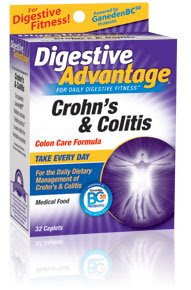
Can Digestive Advantage help Chrons & Colitis?
Today I read about an over the counter drug that has been approved by the Food and Drug Administration (FDA), that is supposed to help people with conditions including Irritable Bowel Syndrome, Chrons disease and colitis.
The drug known as Digestive Advantage™ Crohn's & Colitis Therapy mostly contains a patented probiotic called GanedenBC30 that is said to help the functioning of the digestive system. The specially isolated cultures are protected by a hardened layer of organic material that enables them to go through your acidic stomach environment and successfully arrive to your intestines, which is where they can have the most benefit.
I wonder how well these are going to help people with chrons disease, what I do know is that it won't be a miracle cure as the do say in the small print that "Digestive Advantage™ Crohn’s & Colitis Therapy is a Medical Food product that is intended for use by Crohn’s & colitis sufferers who are under the supervision of a physician. It is not a cure for Chrons or ulcerative colitis nor is it intended to replace any medications that were prescribed by a physician"
What ever the case, at the moment I think that it is only available in the US at a cost of about 55c per day, it could be worth speaking to your doctor about.
If anyone has tried them or knows any thing more I would love to get your feedback.
You can find more information on their website: Digestive Advantage™ Crohn’s & Colitis
at
10:27
0
comments
Labels: Chrons Disease Drug
Monday, 15 December 2008
Children with Chrons Disease Helped with Growth Hormone
Kids with Chrons disease can experience stunted growth, which at this very important period of their lives can have huge implications. Now according to a US report, it may be possible that some shots with a growth hormone may help children with Chrons disease with a growth spurt as well as improve bone mineralisation and body composition.
Encouraging Results
For the duration of 1 year at the University of California San Francisco, Dr. Melvin B. Heyman and his and colleagues treated 10 Children with Chrons Disease all aged between 4 and 19 years old with daily shots of the growth hormone. In this small study, there were shown to be healthy gains in bone mineralization at the lumbar spine as well as the average percent of body fat decrease in the children, this would indicate an increase in lean body mass.
With the growth hormone, the average height of the children increased from 3.00cm per year at the outset to 8.32cm per year after the 1 year of treatment, which is a real significant increase.
More Research Needed
Before these results, previous trials using growth hormone treatment on children with Crohn's disease showed mixed results, with many of them conflicting, so whilst these latest results are very promising, there is still much work and research to be done before the growth hormone can be used to treat pediatric patients with Chrons disease who also have stunted growth.
SOURCE: The Journal of Pediatrics, November 2008.
USA: Chrons Disease Books
UK: Chrons Disease Books
Tuesday, 25 November 2008
Advances in Chrons Disease Surgeries

This week, leading Chrons Disease experts at the York-Presbyterian Hospital, in the US have said that today people who suffer from chrons disease, the chronic inflammatory bowel condition are living longer healthier lives and this is mainly down to innovative new surgery.
There are an estimated half a million people in the USA alone who suffer from Chrons disease, which starts off inflammation along the gastrointestinal tract and is most often found in the lower bowel. Today there are certain drugs can help ease symptoms of chrons disease, but to date there is no cure for crohn's. There are often complications related to Crohn's disease and these often include fistulas which are abnormal, obstructive connections between tissues in the body, strictures which is basically the narrowing of the bowel, abscesses, perforations, haemorrhage and even cancers. Because of these complications chrons disease sufferers will often require some sort of surgery.
Dr Fabrizio Michelassi who is an author as well as a professor and chairman in the Department of Surgery at Weill Cornell Medical College he is also the surgeon in chief at New York-Presbyterian Hospital/Weill Cornell Medical Center said that out of five patients with chrons disease, four of them will need some kind of surgery during some point of their lives. The new,advanced and minimally invasive techniques however are sparing the patients precious bowel tissue and at the same time improving quality of life.
Dr. Sharon Stein who is the assistant professor of surgery at Weill Cornell Medical College and colorectal surgeon at New York-Presbyterian Hospital/Weill Cornell Medical Centre said that "In the past, this was limited to complex, invasive surgeries that required the removal of whole sections of the affected bowel. But over the past two decades, advances in surgery have changed that paradigm,"
Innovations in Chrons Disease Surgery
Fistula Plugs:
For anyone who has had a fistula, and I will know they are often painful as well as being dangerous as they can cause the contents of your intestines to diverge from the anal canal. This can often progress to anal incontinence, abscesses and in the most serious cases systemic infection. There are now certain surgical procedures that can drain the fistula tract but for more difficult lesions there is a new new surgical anal plug which is made from grafted porcine tissue and is then placed over the fistula. This fistula plug then is the catalyst for the growth of fibrotic tissue in the area that will then close off the fistula passage. According to Dr Stein, recent studies have shown this method to be successful in up to half of Chrons patients.
Laparoscopic surgery:
Another new innovation in surgery for people with Chrons disease is known as Laparoscopic surgery which are minimally invasive techniques requiring only a small incision and leaves very little external scarring. Laparoscopic surgery can take longer to perform than conventional surgery techniques, but lead to shorter stays in hospital, which not only saves money, but because chrons disease patients often spend long periods in hospitals can be very important to them.
Strictureplasty:
The technique of Strictureplasty has completely changed bowel surgery as the technique alows the surgeon to leave the disease affected length of bowel in place but widen it, it is "much like letting out the seams on a pant-leg," explains Dr Michelassi, who is a world renowned pioneer in the technique of Strictureplasty. This saves bowel tissue while "restructuring" it, so that intestinal contents can safely pass through. before Strictureplasty, surgeons would have to cut out whole sections of bowel affected with Chrons disease, shortening the organ which leads to the limiting of the gastrointestinal tract.
(Source: New advances in surgical treatment of Crohn's disease. Practical Gastroenterology: November 2008)
USA:
Books on Crohn's Disease from Amazon.com
UK:
Books on Crohn's Disease from Amazon.co.uk
Thursday, 25 September 2008
Perianal Fistulas and Chrons Disease
Many people who suffer from chrons, then often go on to get fistulas of some sort, including Perianal fistulas. So what exactly is a Fistula?
The medical definition is that a fistula is an abnormal tunnel that connect two body cavities like the rectum to the vagina or it can connect a body cavity to the skin, so the rectum to the skin.Ok, so we now know what a fistula is, so then what is a Perianal Fistula? Quite simply a Perianal fistula is a fistula that connects the perianal skin with the anus or the rectum.
How are fistulas formed?
When a abscess in your body does not heal, this the eventually breaks through the skin or into another body cavity as described before.
It has been found that fistulas are far more common in people with chrons disease than those with ulcerative colitis and it has been found that about a quarter of people with Crohn's disease go on to develop a fistula.Perianal fistulas with people who have chrons can cause scarring, faecal incontinence, and in about 10 to 18% of people even proctectomy (which is a surgical resection of the rectum. Also called rectectomy.)
The diagnostic and therapeutic options to those with perianal fistulas available were limited, but this has started to change recently over the last ten years or so and the options for the diagnosis and treatment of fistulizing Crohn's disease have changed allot and are still continuing to change and improve even though the exact way to treat them is still controversial.
at
22:27
0
comments
Labels: Chrons Disease Fistulas
Wednesday, 17 September 2008
Research may help painful Symptoms of Chrons Disease
In the USA today, there are more than half a million people with Chrons disease and if you break it down, more than 100 thousand of these are children. As we know so far there is no cure, so until we find a cure for chrons disease, the main angle of attack is to reduce the symptoms. (Crohn's disease is an inflammatory bowel disease that causes the intestinal lining to become inflamed, and this causing severe abdominal pain, diarrhea, vomiting, nausea and bleeding.)
The good news is that it now seems that some researchers may just have found a way to help reduce the painful symptoms of chrons disease.
The video below tels of Taralyn Allen, who is 15 years old who has had chrons disease for the last four years. Apparently there are still people out there who do not know that chrons can affect children, this is according to Howard Baron, M.D., a pediatric gastroenterologist at Sunrise Children's Hospital in Las Vegas. "The parents will assume it's the flu and it goes on and on and on."
Taralyn said that she felt sick all day every day and when she was correctly diagnosed with chrons, she was treated like many of us with steroids, this helped to relieve a little of the pain, but caused her to put on a lot of weight, going from 70 pounds to 130 pounds in just a few months.
She now no longer takes steroids and is the first child in the world to take part in a study of a new drug marketed at Humira (adalimumab). This drug has already shown to work with adults with chrons disease.
Humira (adalimumab) is an antibody that fights against a chemical that starts the inflammatory cascade in your body. It prevents white blood cells from migrating to the lining of tissues, which causes the inflammation and the pain.
Humira (adalimumab)does have side effects: It decreases the immune system and children with Chrons disease could be at a slightly higher risk for lymphoma.
Happily for Taralyn the Humira has worked and now for her Chrons disease does not exist anymore
Humira is still undergoing research and children as young as five can enroll in the clinical trial. The youngest patient enrolled so far is 10-years-old.
Video of Taralyn and her fight against Chrons Disease
Sunday, 14 September 2008
The Crohn's Diet, Colitis Diet and Superfoods
Can Superfoods help cure Chrons disease?
Because Chrons disease affects the digestive system and certain types of food play a role in triggering the genes that cause this inflammatory bowel disease, a team of scientists in New Zealand are focusing their research on crones disease whilst looking to see if certain foods are linked to disease prevention in general. So for example they are looking for food that is linked to disease prevention, such as broccoli and colon cancer.
The research project consists of around 700 IBD and Chrons patients, who have all begun by listing the foods that their body cannot tolerate, or that cause them to have a flare up. They then compare the genetic differences in people who have chrons disease with their tolerances and in-tolerances of foods in their diet. The researches are also collecting details on the patients lifestyle as well as their symptoms.
Initial findings have shown that foods like Bananas, starchy vegetables, ginger and couscous have been pointed out as good foods for the Crohn's and Colitis diet, where as carbonated drinks, energy drinks, alcohol, coffee, food like hot curries, salami, grapefruit, cream, fruits that have small seeds and corn have generally shown to be bad foods for the Chrons diet.
Cabbage and the Colitis Diet: Their research has shown that certain chrons disease patients who have a certain gene find that cabbage causes a flare up where as other patients who do not contain the gene not only can eat cabbage in their diet, but have found that it actually is beneficial!
Generally The Good Chrons Diet contains things like:
Bananas
Couscous
Ginger
Starchy Vegetables
Generally The Bad Crohn's Diet contains things like:
Coffee
Alcohol
Energy Drinks
Carbonated Drinks
Hot Curries
Salami
Grapefruit
Cream
Fruit with small seeds
The New Zealand scientists are basically looking for two things in the Crohn's and Colitis diet: the gene "switch" that makes people prone to inflammation and a nutrient (or food) that turns it off the inflammation.
Ultimately it is hoped that this research will go on to other inflammatory illnesses like colitis and that they will be able to find other nutrients that turn off these harmful gene "switches". They are the fist to say that there is a long way to go, but it has already been shown that in Singapore, there has been an increase in western diseases as their diet changes and becomes more westernised. (In Singapore all babies are genotyped)
It is thought that, in the developed world, Chrons disease affects one in every 10,000 people, In New Zealand research has shown that they have an even higher proportion, with one in 600 people in the Canterbury area alone. Professor Lynn Ferguson of the University’s Nutrigenomics group says that "Chrons disease is on the rise, and it is important that we learn as much as possible about how diet affects symptoms and whether this is genetically linked."
at
00:26
0
comments
Tuesday, 5 August 2008
Chrons Disease and Pregnancy
I found the information on pregnancy and Chrons disease that was originally written by Rhonda Mann who is from the Beth Israel Deaconess Medical Center and hope that it may help anyone out there who has Chrons disease and is thinking of having children or who may already be pregnant with Chrons disease and looking for some advice.
A Healthy Mom
The first thing that is important to point out that with any pregnancy it is beast for the woman to be in good health so if you do have Chrons disease you are already at a disadvantage. But if you have Chrons disease and want children you can help by eating right and exercising but you must also bring your Chrons Disease under control.
Chronss Disease as well as Ulcerative Colitis effect the digestive tract and are known as inflammatory bowel disease (IBD). There are about 1 million people in America alone who have IBD, which can cause abdominal pain and diarrhea. Both men and women are equally susceptible to IBD and the symptoms usually begin between the ages of 20 and 40, which can be particularly problematic for women who wish to have children and who have Chrons.
Because Chrons disease often affects women in their childbearing years, it is important for women to know when it is safe for them to get pregnant. This is according to Dr. Jacqueline Wolf who is a national (American) expert on IBD and pregnancy and who is also a physician in the Division of Gastroenterology at Beth Israel Deaconess Medical Center.
According to the research on Crohn's disease and Pregnancy, if you have your Chrons disease under control at the moment of conception you are are less likely to have any complications during your pregnancy.
It was only about Twenty years ago, women with Chrons disease were being told not to have children now the view is different and most women with Chrons disease can have a safe pregnancy and delivery, but that is if you go into the pregnancy without the disease being active.
To achieve this, it requires using certain medications to keep IBD inactive before and during the pregnancy. Obviously you know as well as I do that this is not simple as some of the medications frequently used to treat IBD and Chrons disease are not approved for use during pregnancy and some may lead to birth defects. Unfortunately there is still a lot to learn about the safety of Chrons disease drugs during pregnancy ans especially breastfeeding but on the bright side, whilst there are still some unknowns with a few of the Chrons drug treatments, it has been found that most of the medications are safe in pregnancy.
As you probably know and I have found in the past that by coming off my medication results in me having a flare up and so it will probably not be possible to come off your Chrons disease medication during pregnancy and breastfeeding.
Sometimes woman with Chrons need to make their own informed decision about what is best for themselves and their baby, but probably the best advice is if you are on any form of Chrons disease treatment, to remain on treatment - with the exception of methotrexate, which should never be used in pregnancy.
Most woman fears are whilst taking medication is what it would mean for their baby, when faced with the decision about continuing their Chrons disease treatment during pregnancy.
If you are planning to have a baby and you have Chrons disease, the best advice is to speak with your doctor and let them know of your plans and they will best be able to advise you based on your personal circumstances. But I feel that it is important to know that it is possible to have a baby if you have Chrons disease.
Inflammatory bowel disease should be controlled prior to pregnancy: ulcerative colitis, Crohn's disease. (Women's Health).: An article from: Family Practice News
Thursday, 5 June 2008
Chrons Disease Symptoms
In many cases it is initially quite difficult to diagnose Chrons Disease as the symptoms can be quite varied and sometimes the symptoms of Chrons Disease can be confused with Ulcerative Colitis as is what happened in my case.
Chrons disease lasts a long time, sometimes for the rest of the affected person's life and is therefore refered to as a chronic condition. The term chronic refers to time, not to how serious a condition is.
One of the main pointers of Chrons disease is the flare ups of symptoms and then returning to periods of no symptoms at all, which is called remission. In most cases there is no real obvious reason what causes the Chrons disease symptoms to come back (which is called a relapse).
When you have Chrons disease symptoms, the disease is said to be active.
The main symptoms of crohn's disease include the ones listed below but please note are not the only ones:
- Diarrhea which sometimes may contain blood, pus or mucus
- No appetite
- Loss of weight
- A Fever
- Painful and swollen stomach
- Bleeding from the anus
- Tears, ulcers or abscesses (pus-filled areas) around your anus
When the disease is active many people often experience other lesser chrons disease symptoms which include:
- Ulcers in the mouth
- Inflammation of the eyes
- Rashes
- Pain in your joints
- Skin ulcers
at
21:08
0
comments
Labels: About Chrons Disease
Thursday, 8 May 2008
Chrons Disease and Breastfeeding Children
I often read articles about breastfeeding babies and the benefits that it brings to both the child and the mother, but I found a post the other day that pointed out that breastfeeding your baby might mean that it has less chance of developing chrons disease in the future.
Ever since the begining of time, mothers have been feeding their newborn babies with breast milk, it is about as natural as it gets, so I always wondered why some people would not feed their babies with breast milk, I am not a mother so guess I cannot really judge, but to me it is obviouse that breastfeeding must have some sort of benefit to your child.
Not only does it provide a special bond between you and your child, but there are many medical benefits as well. Now it seems that if you breastfeed your child, it has less chance of developing chrons disease in the future.
Here are some interesting points that I have found on the web about the benefits of breastfeeding:
Breastfeeding protects mothers from breast cancer, ovarian cancer, osteoporosis and obesity.
Babies who are breastfed one year often have higher IQ rates and are less likely to be victims of Sudden Infant Death Syndrome (SIDS).
There are lower cases of respiratory illnesses such as asthma, ear infections, childhood cancers, gastrointestinal infections and diseases in breastfed babies.
Breastfed babies are less likely than formula fed babies of contracting colitis, meningitis, Chrons disease, necrotizing enterocolitis, eczema, certain types of heart disease and allergies amongst others
Breastfeeding promotes development of a babies jaw and facial muscles.
There is a reduced chance of childhood obesity in breastfed infants.
So if these facts are to be believed, breastfeeding is truly a beneficial choice for you and your baby.
Just a point, I have not found any study to either back up or rubbish this claim that breastfeeding lowers the chances of chrons disease, I just read it in an artice about breastfeeding and would love to hear from anyone who has any more information on the subject.
at
09:35
0
comments
Labels: Chrons Disease and Children
Saturday, 12 April 2008
No Chrons disease benefits with Omega-3s
There have been studies in the past that seemed to support the anti inflammatory potential of omega-3 fatty acids, but the most recent study seems to suggest that the oils are not effective for managing Chrons disease.
The Authors of the research said in the Journal of the American Medical Association that "Our results are important because the use of alternative medicines in general, and omega-3 free fatty acid formulations in particular, is widespread among patients with inflammatory bowel disease (IBD)"
People started to use omega-3 after the positive findings of some research conducted by Italian researchers in 1996 in the New England Journal of Medicine. Because of the most recent findings, the researchers said that "we do not endorse this practice (of using omega-3), since patients with Chrons disease who are at risk for relapse would be better served by taking medications of known efficacy".
Dr. Brian Feagan at The University of Western Ontario in London, Canada led the new international study on omega-3 and Chrons Disease that included two massive tests involving seven hundred and thirty eight Chrons patients in the US, Europe, Israel, and Canada.
The importance of this large scale test cannot be over estimated as smaller trials often overestimate the true effects, that why it is important to conduct large-scale, randomised, multi-location tests in order to confirm preliminary results.
Chrons disease, current affects about one in 400 people in the west, Crohn's disease is currently incurable so patients are mostly looking to control the inflammation, (known as flare ups), relieve symptoms and prolong the time spent when the disease is in remission. And because of the anti-inflammatory properties of omega-3 fatty acids, the researchers wanted to test their effects on for Chrons disease patients.
Main results and Details of the Omega-3 Study and Chrons
The research was undertaken as mentioned before in two large trials involving 363 and 375 patients using high doses of omega-3 free fatty acids in Chrons disease patients who were in remission. The people with chrons were randomly given either a placebo or a daily omega-3 supplement that lasted for a total of 58 weeks.
The omega-3 supplement provided a dose of four grams of omega-3 per day, which consisted of 50% to 60% eicosapentanonic acid (EPA) and 15% to 25% docosahexanoic acid (DHA). These doses were placed in a delayed release soft gelatin capsules.
The researchers found no significant differences in relapse rates between people in the omega-3 and placebo groups in either trial. In one of the trials, 31.6% of patients in the omega-3 group experienced a relapse within the 360 days, compared to 35.7% of people with chrons who were in the placebo group. The other trial shoed 47.8% of patients in the omega-3 group experienced a relapse within 360 days, compared to 48.8% of chrons patients who were in the in the placebo group.
So basically high doses of omega-3 free fatty acids did not reduce the rate of relapse in people with Chrons disease.
On the plus side there is a lot of research that supports the role of omega-3 fatty acids for health in hearts this was first discovered in the 1970s by a group of Danish researchers and this recent report seemed to back up those findings.
Book on Chrons Disease
Living with Crohn's Disease from Amazon (USA)
Living with Crohn's Disease from Amazon (UK)
Source: Journal of the American Medical Association
Volume 299, Number 14, Pages 1690-1697
"Omega-3 Free Fatty Acids for theMaintenance of Remission in Crohn Disease: The EPIC Randomized Controlled Trials"
Authors: B.G. Feagan, W.J. Sandborn, U. Mittmann, S. Bar-Meir, G. D'Haens, M. Bradette, A. Cohen, C. Dallaire, T.P. Ponich, J.W.D. McDonald, X. Hebuterne, P. Pare, P. Klvana, Y. Niv, S. Ardizzone, O. Alexeeva, A. Rostom, G. Kiudelis, J. Spleiss, D. Gilgen, M.K. Vandervoort, C.J. Wong, G.Y. Zou, A. Donner, P. Rutgeerts
at
03:31
1 comments
Wednesday, 12 March 2008
Chrons Disease With Fistulas Breakthrough
There is real hope for people who have fistulas because of their Chrons Disease as it was recently announced in France at the European Chrons and Colitis Organization (ECCO) annual meeting that HUMIRA (Adalimumab) is successful for the treatment of fistulas in people who have Crohn's disease.
So what is Chrons disease?
Chrons Disease is basically a gastrointestinal disorder where there is chronic inflammation of the walls of some part of the digestive tract. People affected with the disease suffer periods of flare-ups and then periods where they are in remission, this can continue through the whole life of the person.
Is Chrons Disease the same as ulcerative colitis?
The short answer is No, Chrons is considered medically as an inflammatory bowel disease (IBD) and it is similar to ulcerative colitis.
Fistulas and Chrons
In a recent study, it was suggested that almost half (43%) of Chrons disease patients will develop fistulas, which can be both painful and embarrassing.
What Are Fistulas?
Fistulas are basically tunnels that connect the chrons affected organs to surrounding tissues. These can include the bladder, vagina, or even the skin. Fistulas are very difficult to treat and can cause fecal discharge from abnormal locations, leading to not only embarrassment but also incontinence, infections, and other complications that will usually mean that the patient has to undergo surgery.
So how can HUMIRA (Adalimumab) help?
HUMIRA, or Adalimumab works by binding Tumor Necrosis Factor α (TNF-α), which is an important part of the immune response pathway
Because of this, Adalimumab is related to infliximab and other similar TNF-α blockers. The good news is that it has already been given the green light in a few countries for treatment of many diseases that are autoimmune related including Chrons Disease, psoriasis and some types of arthritis.
The study that took place showed some very posetive results and did point to the fact that the healing of fistulas was a lot better in people who had been given HUMIRA:
- 60% of chrons patients showed fistula healing after 1 year of treatment
- 76% of patients who showed the improvement and healing after 1 year continued the healing up to 2 years
- 71% of patients showed a significant 50% reduction in the number of draining fistulas after 2 years of treatmen with HUMIRA.
All sounds like excellent news, I would love to hear from anyone who has any first hand exprience, if you have please leave a comment.
Sunday, 24 February 2008
Chrons Disease and Aggressive Therapy
A recent study has shown that if you treat chrons disease more aggressively, it resulted in a better outcome for patients. This study was performed by an international team of researchers.
The researcher's found that shortly after a person had been diagnosed with chrons disease, using more than 1 immunosuppressive drug was more effective in inducing remission than starting patients on corticosteroids.
One of the researcher's, Dr. Brian Feagan said that more studies needed to be conducted, but if you treat chrons patients earlier with more aggressive therapy it may be more effective than the traditional method. Doctors are always looking for ways to treat people who suffer from chrons disease without the use of steroids, so this could mean en exciting development.
Nobody really knows the true cause of chrons disease but basically what happens is there is an inflammation of the gut that often affects the small intestine, the swelling leads to pain and diarrhea. The current theory is that someone with crohn's disease has lost tolerance to normal bacteria in the gastrointestinal tract. "The immune system is in a controlled inflammatory state. In Crohns disease, it is thought that the immune system is becoming unhappy with normal flora. White blood cells migrate into the tissue and release nasty things and cause damage." said Feagan, director of Robarts Clinical Trials at Robarts Research Institute at The University of Western Ontario in London, Ontario, Canada.
The current usual treatment for someone with crohns begins with corticosteroids. If the patient shows really bad side effects to the steroid treatment or if some sort of resistance to the drug begins to show the treatment usually moves on to a range of immunosuppressive drugs like Rheumatrex (methotrexate). If this treatment does not help, tumor necrosis factor (TNF)-blockers are often then used.
Remicade (infliximab) with Imuran (azathioprine)
In the research 133 people with chrons disease in Belgium, Germany and Holland had either combined immunosuppression or the traditional method. 67 had the joint immunosuppression with three infusions of Remicade (infliximab) with Imuran (azathioprine) at the start and then again a few weeks later and then again 4 weeks after that. The other 66 patients were given steroids ad then given Imuran and Remicade.
Study Results
Some initial findings show that after 6 months sixty percent of the patients on the combined immunosuppression had their chrons disease in remission with no need for steroids or any form of surgery. From the second group only 35.9% were in remission.
Later on, after one year the figures were:
61.5% of the combined immunosuppression group were in remission compared to ony 42.2 % of patients following the more traditional method of chrons disease treatments.
More research is to follow, but if they come to the same conclusion, the conventional treatment for Chrons could change.
Down sides to Remicade (infliximab)
Remicade is administered intravenously so the person has to go to a medical center to receive treatment.
at
12:11
0
comments
Saturday, 16 February 2008
About Chrons Disease
I found this excellent video about chrons disease which explains all the main details including:
Chrons Disease Definition
Chrons Disease Diagnosis
Chrons Disease Treatment
So if you get tired my writing, take a look at the video, it may answer a few of your questions:
at
01:04
0
comments
Labels: About Chrons Disease, Chrons Disease Video